
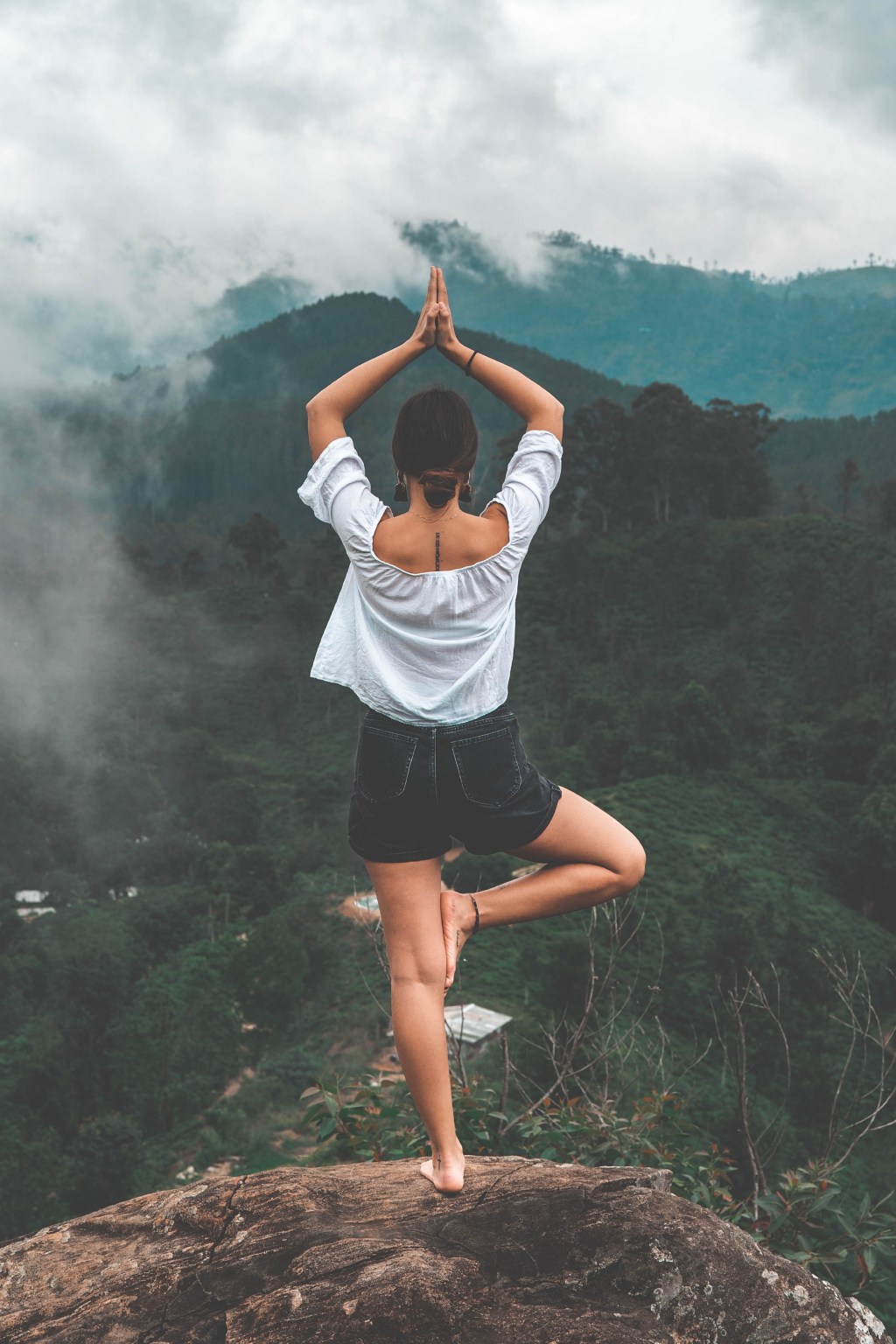
Stress is an inevitable part of our lives. It can come from various sources such as work, relationships, finances, and health issues, among others. While it may not be possible to eliminate stress completely, there are ways to manage it effectively. Here are five techniques that can help you relieve stress.
- Meditation
Meditation is an ancient practice that has gained immense popularity in recent years. It involves sitting in a quiet place, focusing your attention on your breath, and clearing your mind of all thoughts. Research has shown that regular meditation practice can reduce stress, anxiety, and depression.
To start, find a quiet and comfortable place where you can sit uninterrupted for a few minutes. Close your eyes, take deep breaths, and focus your attention on your breath. Whenever your mind wanders, gently bring it back to your breath. Start with just a few minutes a day and gradually increase the time.
Need a little help getting started? There are great apps out there that make meditation and mindfulness easy. Headspace, Calm and Buddify get the Bonne seel of approval.

- Breath Work
Breathwork is another effective technique to relieve stress. It involves consciously manipulating your breath to reduce stress and promote relaxation. There are many types of breathwork techniques, including deep breathing, diaphragmatic breathing, and alternate nostril breathing.
Deep breathing involves taking slow, deep breaths from your diaphragm. This technique can calm your mind and reduce anxiety. Diaphragmatic breathing involves breathing deeply from your belly, which can help release tension in your chest and shoulders. Alternate nostril breathing involves inhaling and exhaling through alternate nostrils, which can help balance your nervous system and reduce stress.
- Journaling
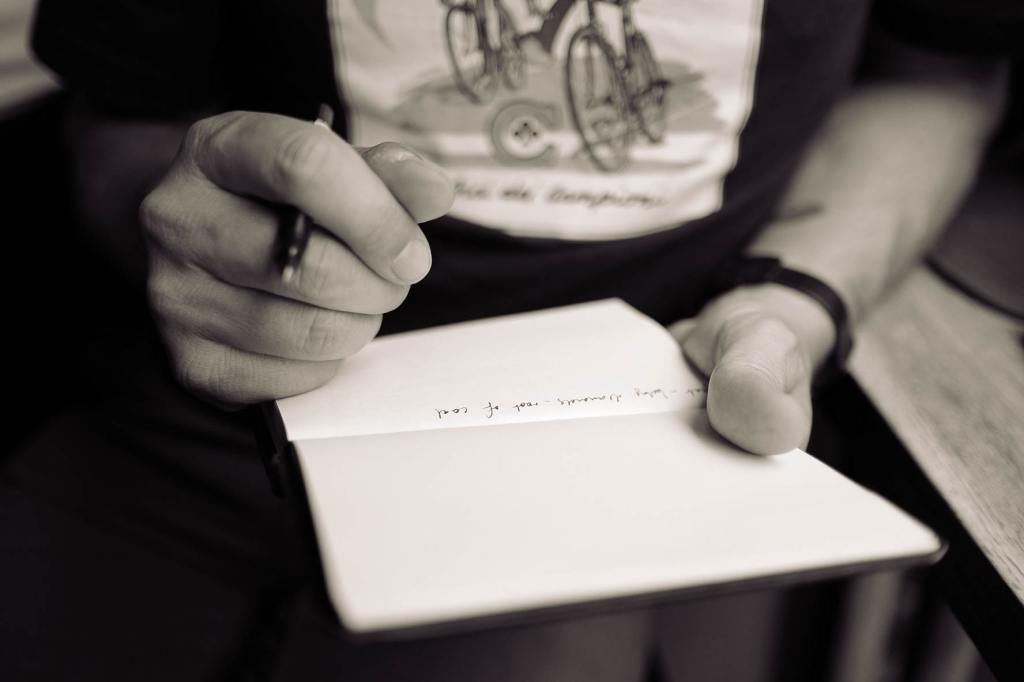
Journaling is a simple yet effective way to relieve stress. It involves writing down your thoughts and feelings on paper. This can help you process your emotions, gain clarity, and release tension. Journaling can also help you identify patterns and triggers that cause stress, which can help you manage it better in the future.
To start journaling, find a quiet place where you can write without interruption. Set a timer for 10-15 minutes and write down whatever comes to mind. Don’t worry about grammar or punctuation. Just let your thoughts flow freely. You can also use prompts such as “What am I grateful for today?” or “What is causing me stress right now?”
- Releasing Tension
Releasing tension is a physical technique to relieve stress. It involves consciously tensing and relaxing your muscles to release built-up tension. There are many ways to release tension, including progressive muscle relaxation, yoga, and massage.
Progressive muscle relaxation involves tensing and relaxing each muscle group in your body, starting from your toes and working your way up to your head. This technique can help you become more aware of the tension in your body and learn to release it. Yoga and massage can also help release tension and promote relaxation.
- Exercise
Exercise is a powerful way to relieve stress. It releases endorphins, which are natural mood-boosting chemicals in the brain. Exercise can also help reduce anxiety, depression, and insomnia. There are many types of exercise that can help relieve stress, including walking, running, swimming, and dancing.
To get started, find an exercise that you enjoy and make it a part of your routine. Aim for at least 30 minutes of moderate exercise every day. You can also try exercising with a friend or taking a group class, which can help you stay motivated.
Try a free online Yoga class to get you started.
In conclusion, stress is an inevitable part of our lives, but it doesn’t have to control us. By practicing meditation, breathwork, journaling, releasing tension, and exercise, we can manage stress effectively and improve our overall well-being. Try incorporating these techniques into your daily routine and see how they can help you relieve stress.
More Bonne Moments



 Bonne Edit